
What to Know Before Replacing Your Backyard Deck
Your backyard deck is one of the most used outdoor spaces on your property. It absorbs years of foot traffic, weathering, and seasonal stress. Over time, even a well-built deck will show its age, and at some point, patching and maintaining what is already there stops making sense. If you have been noticing soft spots underfoot, boards that flex when they should not, railings that shift when you grab them, or wood that has gone gray and brittle past the point of recovery, you may already be closer to a replacement than a repair.
Understanding what the deck replacement process actually involves, what decisions you need to make before work starts, and what separates a long-lasting result from one that creates new problems in five years can save you time, frustration, and money. Let’s walk through everything a homeowner should know before committing to a backyard deck renovation.
Key Takeaways
- Widespread structural damage to posts, joists, beams, or the ledger board typically signals the need for a full replacement rather than targeted repairs
- The deck replacement process includes demolition, structural inspection, permitting, framing, and installation, and skipping any of those phases creates problems later
- A remove and replace deck project is the best opportunity to change the size, layout, or material of the structure
- Composite decking is a leading choice for backyard deck renovations because it significantly reduces long-term maintenance demands
- Working with a qualified deck contractor early in the planning process prevents costly surprises during construction
- Proper permitting protects both safety and home resale value
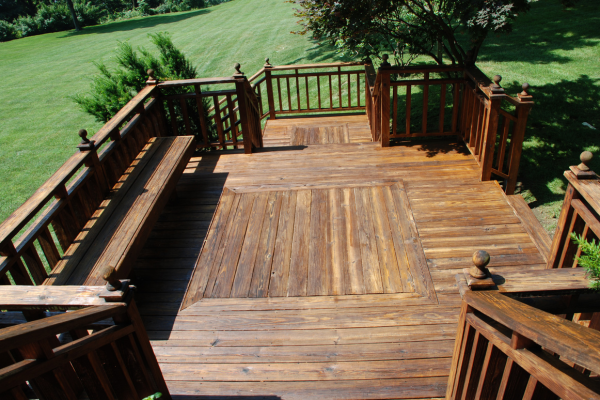
Knowing When Repair Is No Longer the Right Answer
Not every deck problem requires a complete teardown. Isolated surface damage, a handful of boards that have cracked or splintered, or a single railing post that has loosened can often be addressed with targeted repairs without disrupting the rest of the structure. The challenge is that deck damage does not always stay isolated, and what looks like a surface issue can be the visible symptom of something deeper.
When Structural Components Are Compromised
The framing is what keeps a deck standing. Posts, beams, joists, and the ledger board that connects the deck to your home form the structural skeleton of the entire structure. When any of these components develop serious rot, water infiltration, or significant deterioration, the problem cannot be fixed by replacing boards on top. The damage is underneath.
A deck that flexes or bounces when you walk across it, that makes noise it did not used to make, or that visibly sags in sections is signaling structural failure. If you push a screwdriver into a post or joist and the wood compresses rather than resists, rot has already compromised the integrity of that member. At that point, the question is not whether to replace the deck but how quickly.
The ledger board deserves particular attention. It is the horizontal board that anchors the deck to the rim joist or band joist of your home. When water gets behind the ledger board and sits against the house framing, it can cause rot that spreads beyond the deck itself and into the structure of the home. A compromised ledger is not a cosmetic problem and should never be treated as one.
When Rot Has Spread Beyond Isolated Boards
Wood rot is caused by fungal growth that thrives in moisture-laden timber. In the early stages, it tends to be localized. In a deck that has been through years of wet Ohio winters and humid summers without consistent maintenance, rot can spread through multiple boards and eventually into the framing below the surface without being immediately obvious from above.
When you are replacing rotted boards in multiple areas, when softness in the decking surface appears in patterns rather than in one spot, or when boards at the perimeter of the deck have deteriorated significantly, you are likely looking at a structure where the decay is more widespread than what is visible. Continuing to replace individual boards in this scenario is a temporary fix on a structure that is steadily failing.
When Ongoing Maintenance Costs Outpace the Value
Wood decks require consistent upkeep. Cleaning, sanding, staining or sealing, and annual inspections are part of owning a wood deck. When a deck has been neglected for several years, or when it has reached an age where the cumulative cost of maintaining it season after season exceeds what a new, lower-maintenance structure would require, the math changes. A full backyard deck renovation at the right time is an investment. Continuing to spend on a structure that will need to come down anyway is not.
Understanding the Deck Replacement Process Step by Step
The deck replacement process is more involved than most homeowners expect the first time they go through it. It is not simply a matter of pulling up old boards and nailing down new ones. Each phase of the process builds on the one before it, and the decisions made early in the project directly affect the quality and longevity of what gets built.
Phase One: Assessment and Planning
Before any work begins, the condition of the existing structure needs to be fully evaluated. A thorough assessment looks at the decking surface, the framing, the ledger board, the footings, and the connections between all of those components. This evaluation determines what needs to come out entirely, what can potentially be retained, and what the new build needs to address structurally.
This is also the phase where design decisions should be finalized. What size will the new deck be? Will the layout change? What material will be used for the decking surface and railings? Are any additional features being added? Making these decisions before demolition starts prevents costly mid-project changes and ensures the permitting process reflects the actual scope of the work.
Phase Two: Permitting and Code Compliance
Most municipalities require a building permit for deck replacement, even when the new deck is going in on the same footprint as the old one. Code requirements governing deck construction have also evolved over time, meaning a deck built fifteen or twenty years ago may not meet current standards for things like railing height, baluster spacing, ledger attachment methods, or footing depth and diameter.
A qualified deck contractor handles the permitting process and builds to current local code as part of the standard scope of work. This matters for two reasons. The first is safety. Current codes exist because engineers and building officials have identified what structural requirements produce safe, reliable decks. The second is resale. Work done without permits can create real complications during a home sale, including requirements to bring unpermitted structures into compliance or even remove them. Doing the project correctly from the start protects the investment.
Phase Three: Demolition and Material Removal
Once permits are in place, demolition begins. The existing decking surface, railings, stairs, and framing are removed. Depending on the condition of the footings and whether the design is changing, those may come out as well. Disposal of the old materials is part of the remove and replace deck process and should be addressed in your project planning. Confirm with your contractor how demolition debris will be handled before work begins.
Phase Four: Footing and Ledger Inspection or Replacement
With the old structure down, the footings and ledger board connection are inspected before the new frame goes up. Footings are the concrete anchors that support the posts. Their adequacy depends on size, depth, and the load requirements of the new deck. If the design is changing, or if the existing footings are undersized or deteriorated, they will need to be replaced.
The ledger board connection is one of the most structurally and weatherproofing-sensitive points on the entire deck. Current best practices for ledger attachment include through-bolting patterns and flashing details that prevent water infiltration at the connection point. This is not an area to cut corners on, and a contractor who approaches it carefully is one who understands how deck failures actually happen.
Phase Five: Framing the New Structure
With footings confirmed and the ledger properly established, framing begins. Posts are set, beams are installed, and joist hangers and joists go in according to the approved plan. The quality of this framing is what determines whether the deck stays solid and level for decades or begins to show problems within a few years. No amount of premium decking material compensates for a poorly framed structure underneath it.
Proper joist spacing, correct fastener type and installation pattern, adequate blocking for lateral stability, and code-compliant connections throughout the frame are the details that distinguish a well-built deck from one that looks good in photos but develops issues over time.
Phase Six: Decking, Railings, Stairs, and Finishing
With the frame complete, the visible elements of the deck are installed. The decking surface, railing system, stair stringers, treads, and any additional finishing details come together in this phase. Material choice has the most visible impact here, and it also affects how much ongoing maintenance the deck will require once it is finished.
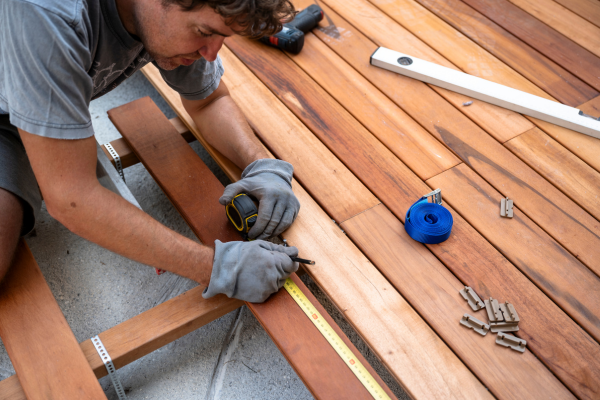
Choosing the Right Material During a Backyard Deck Renovation
One of the most consequential decisions in any deck replacement project is what material you are building with. This choice affects the maintenance schedule, the performance of the deck over time, its appearance through the seasons, and the overall satisfaction you get from the space year after year.
Pressure-Treated Wood
Pressure-treated lumber is the standard structural material for deck framing and remains in wide use for decking surfaces as well. It is accessible, familiar to contractors, and effective when properly maintained. The limitation is that maintenance is ongoing. Pressure-treated wood decks need to be cleaned, sanded, and sealed or stained on a regular cycle to resist moisture absorption, cracking, and splintering. In a climate like Northeast Ohio where freeze-thaw cycles are a consistent reality and humidity fluctuates significantly through the seasons, untreated or under-maintained wood decking deteriorates relatively quickly. The surface cracks, splinters develop, boards cup and warp, and the appearance degrades faster than most homeowners expect when they first install the deck.
Composite Decking
Composite decking has become the predominant upgrade choice in backyard deck renovations for homeowners who want a surface that performs well without the ongoing maintenance burden that wood demands. Composite boards are engineered from a combination of wood fiber and polymer materials and are designed to resist moisture, rot, splintering, fading, and staining. They do not require staining or sealing and maintain their appearance through seasonal weather exposure without the kind of deterioration that wood surfaces experience over the same period.
The practical implication for a Northeast Ohio homeowner is that composite decking handles the climate conditions that routinely degrade wood surfaces. It does not absorb moisture the way wood does, which means freeze-thaw cycling has far less impact on the surface. It holds its color over time without reapplication of stain or sealant. It does not splinter, which matters if the deck is used regularly by children or barefoot in warmer months.
For homeowners going through a full deck replacement, the shift from wood to composite is one of the most common and sensible upgrades made during the project. You can explore composite deck installation options in detail, or if you are specifically upgrading an existing wood structure, the wood to composite renovation process is worth reviewing before you finalize your material decision.
Railing Systems
The railing system is the other highly visible element of the finished deck, and the options have expanded considerably beyond basic wood balusters and top rails. Aluminum railing systems offer clean lines and corrosion resistance. Cable railing creates an open, contemporary look without obstructing sightlines into the yard. Composite railing matches the decking surface material and keeps the maintenance profile consistent across the entire structure. The right choice depends on the aesthetic you are going for, how the deck is used, and how much ongoing upkeep you want the railing system to require.
Making the Most of a Deck Replacement
A full remove and replace deck project is also a genuine opportunity. Replacing what was there is the baseline. Using the replacement as a chance to improve on what was there is the smarter approach.
Reconsidering Size and Layout
If the original deck never quite worked for how you actually use your backyard, now is the time to fix that. A deck that was too small to comfortably accommodate furniture and a grill, poorly positioned relative to the back door, or laid out in a way that did not flow naturally with the yard can be redesigned as part of the replacement project. Changing the footprint during a replacement is far more efficient than trying to add on or reconfigure a finished structure later.
Adding Features That Were Not There Before
Deck replacement projects are significantly easier to integrate with additional features when those features are planned from the beginning rather than added after the fact. Built-in seating, pergola coverage over part or all of the deck, integrated lighting at post caps or stair risers, upgraded railing designs, and outdoor kitchen infrastructure are all considerably cleaner and more cost-effective to incorporate during the original build than to retrofit into a finished deck. Think through how you intend to use the space and communicate those goals to your contractor before the design is finalized.
Complementing the Deck With Other Outdoor Projects
A deck replacement is also a natural time to evaluate the rest of your outdoor space. New decking paired with updated fencing can transform the entire feel of a backyard. If fencing is part of your longer-term plan, understanding your fence installation options for Northeast Ohio alongside the deck project gives you a more complete picture of how the finished space will come together.
You can also review what goes into planning a deck replacement around Ohio weather conditions to better understand how seasonal timing affects the construction process.
Deck Replacement Checklist
- Inspect all structural components, including posts, joists, beams, and the ledger board, before deciding between repair and replacement
- Identify and document all visible surface damage, soft spots, rot, and railing instability
- Finalize material choice for decking surface and railing system before permits are submitted
- Decide on any layout, size, or design changes before demolition begins
- Confirm your contractor manages permitting and builds to the current local code
- Review the demolition and disposal plan before work starts
- Verify that footings will be inspected and replaced if necessary
- Discuss any additional features during the planning phase, not mid-project
- Plan any complementary projects, such as fencing or landscaping, alongside the deck replacement
Start Your Deck Replacement the Right Way
Patriot Outdoor Structures handles deck replacement and backyard deck renovation throughout Northeast Ohio, from full remove and replace deck projects to wood-to-composite upgrades and new custom builds. Our team of deck contractors brings structural knowledge, permitting experience, and material expertise to every project so that what gets built is done right the first time. Contact us to get started on your deck replacement.
FAQs About Replacing a Deck
1. How do I Know if My Deck Needs to Be Replaced or Just Repaired?
If damage is limited to a few isolated surface boards, repairs may be sufficient. When rot, decay, or structural failure has reached the framing components such as posts, joists, beams, or the ledger board, a full replacement is typically the safer and more cost-effective long-term decision. A qualified deck contractor can assess the condition of the substructure and give you an honest evaluation of whether repair or replacement makes more sense for your situation.
2. What Does the Deck Replacement Process Include?
The full deck replacement process includes an initial structural assessment, design finalization, permitting, demolition and material removal, footing and ledger inspection or replacement, framing the new structure, and installing the decking surface, railings, and stairs. Each phase depends on the decisions made before it, which is why planning thoroughly before work begins produces significantly better results.
3. Do I Need a Permit to Replace My Deck?
In most municipalities, yes. Even when replacing a deck on the same footprint, a building permit is typically required. Current codes governing ledger attachment, railing height, baluster spacing, and footing requirements may differ from what was in place when the original deck was built. A reputable deck contractor handles permitting as part of the scope of work and ensures the new structure meets current local requirements.
4. What Is the Difference Between a Deck Replacement and a Deck Renovation?
A deck replacement involves removing the existing structure in its entirety and building a new one from the ground up. A renovation may involve replacing the surface boards and railings while retaining structural components such as the frame and footings, provided those components are still structurally sound. The right approach depends on what is salvageable and what needs to be updated.
5. Is Composite Decking Worth It When Replacing a Deck?
For most homeowners, the answer is yes. Composite decking eliminates the ongoing maintenance cycle that wood surfaces require, including regular staining, sealing, and sanding. It resists moisture absorption, rot, fading, and splintering, and it holds up well through the freeze-thaw cycles common in Northeast Ohio. The reduced maintenance demand over the life of the deck makes composite a practical and cost-efficient choice for most backyard deck renovations.
6. Can I Change the Size or Layout of My Deck During a Replacement?
Yes, and a full replacement is the ideal time to make those changes. Adjusting the footprint, reconfiguring the layout, or adding features that were not part of the original build is far more straightforward during a remove and replace deck project than retrofitting a finished structure. Any changes to the design should be finalized before permits are submitted so the approved plan reflects what will actually be built.
7. How Long Does a Deck Replacement Take?
Project timelines vary depending on the size of the deck, material lead times, permitting timelines in your municipality, and weather conditions during construction. A more specific estimate requires a defined scope of work, which your contractor can provide after the initial assessment. Finalizing design decisions early and getting on a contractor’s schedule in advance of the season you want the deck completed helps avoid delays.
8. What Should I Look for When Hiring a Deck Contractor?
Look for a contractor with direct experience in deck replacement and new construction, a clear process for structural inspection before the build begins, familiarity with local permitting requirements, and transparent communication about scope, materials, and timeline. References from completed projects, a physical portfolio of work, and a contractor who asks the right questions about your goals before quoting the job are all positive indicators.
9. Will Replacing My Deck Add Value to My Home?
A properly built, permitted deck in good condition is generally viewed as a positive feature by buyers and appraisers. A deck that is structurally compromised, unpermitted, or built from deteriorating materials can work against you at the time of sale. Replacing a failing deck with a well-constructed, low-maintenance structure that meets current code is a practical investment in both livability and long-term property value.
10. What Happens to the Old Deck Materials During a Replacement?
The existing deck is demolished and removed as the first phase of the project. This includes the decking boards, framing, railings, and stairs. Disposal of the old materials is typically handled as part of the remove and replace deck process. Confirm with your contractor before work begins how demolition debris will be managed and whether that is included in the project scope.

Scott McManamon is the owner of Patriot Outdoor Structures. He graduated from The College of Wooster in 2003, where he also played football. In 2020, Scott earned President’s Club recognition at AmeriGas Propane. Today, he leads Patriot Outdoor Structures and shares insights from his experience as an owner in the outdoor structures space.